Face of Yesterday: A Calligraphy Font with Timeless Movement
There’s a certain magic in a font that feels both familiar and fresh. Face of Yesterday captures that feeling perfectly. It’s not just another script typeface; it’s a design asset that carries the weight of history with the lightness of a modern hand. The moment you see it, you understand its character—it’s elegant without being stuffy, expressive without sacrificing legibility. For designers, entrepreneurs, and creators, this isn’t just a decorative choice; it’s a strategic tool for adding depth and personality to any project.
The Visual Soul of the Font
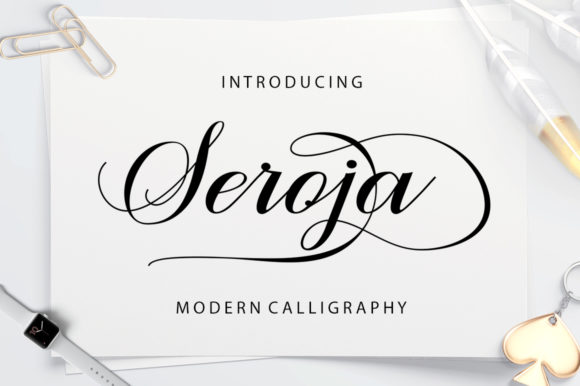
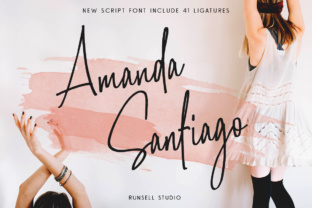
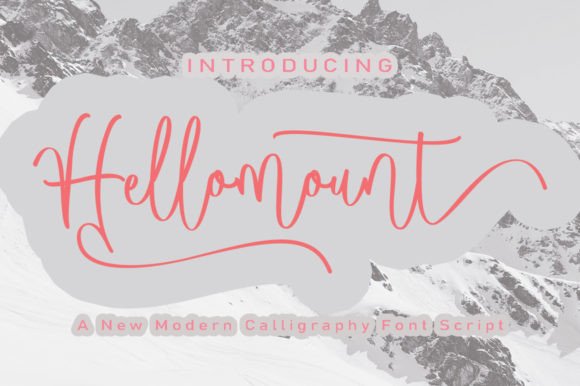
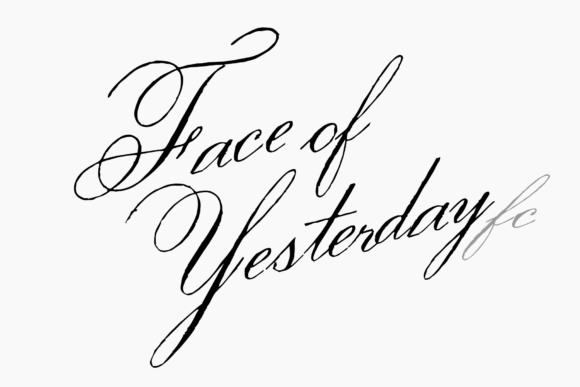
At its core, Face of Yesterday is a calligraphy font defined by its fluid, rhythmic strokes. The letterforms aren’t rigid or mechanical; they have a natural, almost organic flow, as if drawn with a skilled hand holding a broad-nibbed pen. You’ll notice subtle variations in stroke width, giving the text a dynamic, living quality. This movement is what makes it so captivating. It avoids the overly casual look of a typical handwritten font, instead leaning into a more refined, classical aesthetic. The connections between letters are thoughtfully crafted, ensuring words hold together cohesively while still showcasing individual character.
This font doesn’t shout. It speaks with a confident, graceful whisper. Its personality is one of authenticity and heritage, making it ideal for projects that need to convey trust, craftsmanship, or a touch of nostalgia. Think of it as the typographic equivalent of a beautifully aged leather journal or a well-preserved handwritten letter. It adds a layer of sophistication and human touch that digital precision often lacks.
Where This Script Font Truly Shines
Understanding a font’s strengths is key to using it effectively. Face of Yesterday excels in contexts where emotion, elegance, and a personal connection are paramount. It’s a versatile creative font, but its true power is unleashed in specific applications.
In logo design, it can establish a brand’s entire personality. Imagine a boutique wedding planner, a high-end patisserie, or a vintage-inspired apparel label using this typeface. It immediately sets a tone of bespoke quality and attention to detail. For brand identity systems, it works beautifully as a secondary typeface for headlines, quotes, or monograms, paired with a clean sans serif font for body text to ensure readability.
For packaging design, especially in cosmetics, gourmet foods, or artisanal goods, this font adds instant shelf appeal. It communicates that the product inside is made with care and has a story to tell. In editorial design—think magazine covers, book titles, or chapter headings—it brings a literary, sophisticated flair. It’s equally at home on social media graphics where you want a post to feel more curated and less generic, perfect for quotes, announcements, or promotional banners.
Making Strategic Choices with Typography
Choosing a display font like Face of Yesterday requires a bit of strategy. Its ornate nature means it’s not suited for long paragraphs of body copy. Instead, think of it as a highlighter, a tool for emphasis. Use it for short, impactful text: a website hero section headline, a product tagline, a book title, or a call-to-action phrase. This approach maintains its visual power without compromising overall readability.
A critical step is testing font pairing. This script pairs exceptionally well with a wide range of companions. For a classic, grounded look, combine it with a sturdy serif font. For a more contemporary, balanced feel, a geometric or humanist sans serif font creates a beautiful contrast. The key is to let Face of Yesterday be the star while the supporting typeface handles the heavy lifting of informational text.
Before committing, always review the full font package. A quality premium font often includes alternates, ligatures, and stylistic sets. These extras allow for greater customization, helping you avoid repetitive letter shapes and craft truly unique typographic compositions. Pay close attention to licensing, especially if the project is commercial. Most reputable font foundries offer clear commercial font licenses, ensuring you’re covered for client work, products for sale, or monetized digital content.
Bringing It All Together
Ultimately, Face of Yesterday is more than just a collection of glyphs. It’s a piece of modern typography that bridges the past and present. It influences perception by injecting warmth, history, and artistry into a design. When used thoughtfully, it enhances visual hierarchy, guides the viewer’s eye to what’s most important, and builds a stronger emotional connection with the audience.
For the entrepreneur, it’s a way to differentiate a brand in a crowded market. For the designer, it’s a reliable asset in the toolkit for projects requiring a touch of elegance. For the crafter or hobbyist, it’s a way to elevate personal projects to a professional standard. The true value of this typeface lies in its ability to tell a story, to make a viewer feel something. In a world saturated with sterile, uniform text, that’s a powerful advantage. Test it, pair it wisely, and let its timeless movement work for you.